Home › Gravel-to-Asphalt Conversions
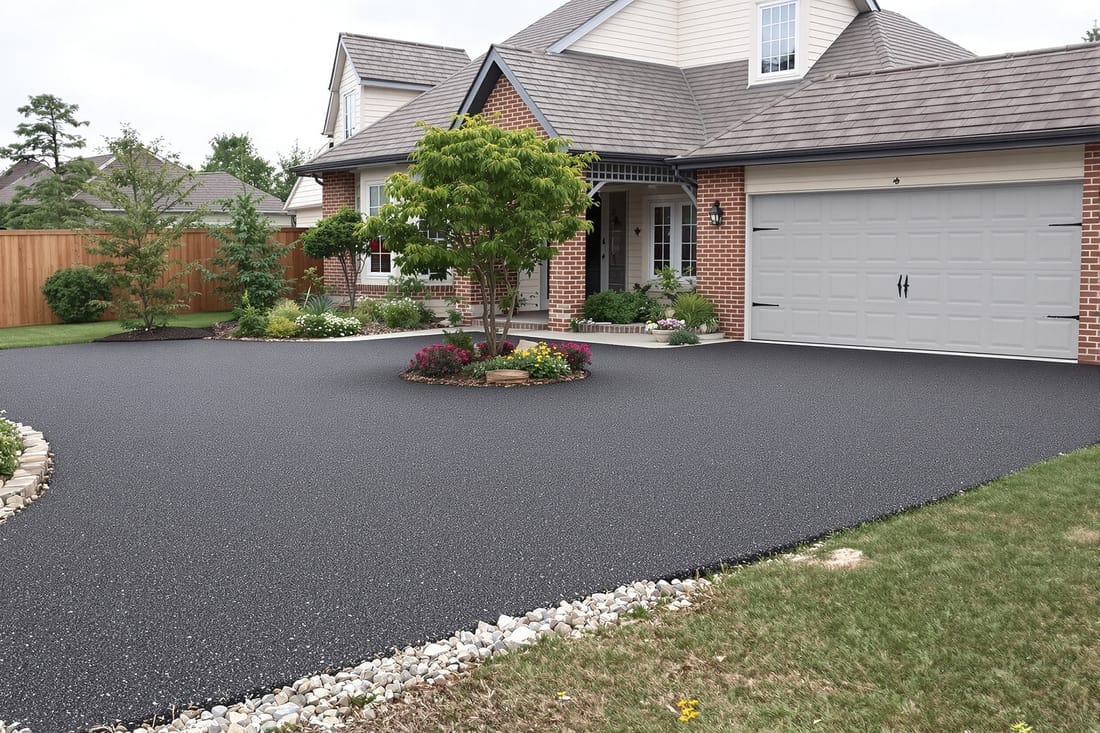
We specialize in converting gravel and dirt driveways to smooth asphalt surfaces in Florida, FL. Our team rebuilds the base, addresses drainage, and installs durable blacktop for cleaner, easier access. Say goodbye to ruts, mud, and dust with a professionally engineered gravel to asphalt driveway conversion tailored to your property.
Precision Asphalt Florida provides professional gravel to asphalt driveway throughout Florida, FL, Florida and the surrounding area. Our licensed, insured crew delivers safe, clean, on-time work with a free estimate before anything begins. Call (407) 250-7227 or request your free quote.
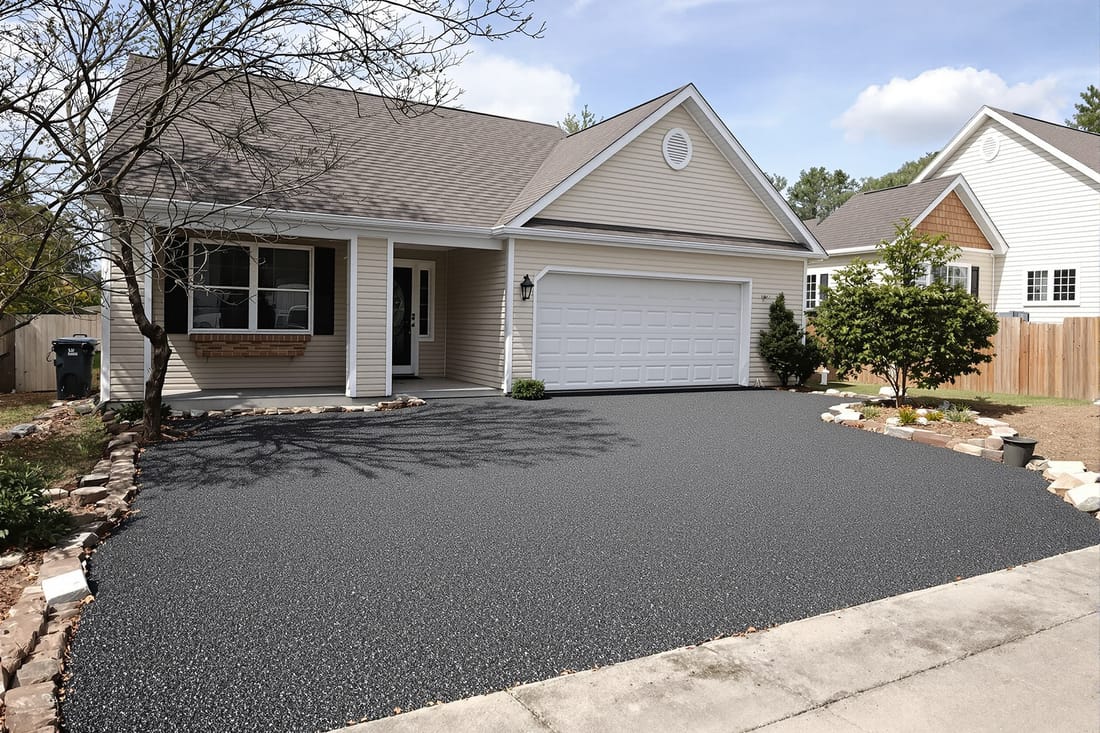
Turn Your Gravel Driveway Into a Smooth Asphalt Surface
If you are tired of ruts, dust, and loose rock every time you pull into your property, a gravel to asphalt driveway conversion can be a real upgrade. Precision Asphalt Florida specializes in turning bumpy gravel drives in Florida, FL into smooth, durable asphalt surfaces that handle daily use and Florida weather.
Gravel can be fine for a while, but over time it washes out with heavy rain, creates mud holes, and tracks into garages and homes. Asphalt solves these problems by locking the surface together, giving you clean edges, better drainage, and a driveway that looks finished instead of temporary.
Our crew lives and works in this area, so we understand the soil conditions, the heavy afternoon rain, and the heat that softens lesser-quality pavements. When we design a gravel to asphalt driveway, we pay close attention to your existing base, traffic patterns, and how water moves across your property. That local insight is what keeps the new asphalt from cracking, sinking, or washing out.
Our Step-by-Step Gravel-to-Asphalt Conversion Process
A long-lasting gravel to asphalt driveway depends on the groundwork, not just the blacktop on top. Precision Asphalt Florida follows a detailed process that is tailored to properties in Florida, FL.
First, we inspect the existing gravel drive. We check thickness, compaction, soft spots, and drainage paths. If the stone layer is thin or full of clay and organic material, we plan to rebuild those areas instead of just paving over them.
Next, we grade and shape the driveway. Using a grader or skid-steer, we cut high spots, fill low areas, and establish a consistent slope so water flows off the driveway instead of pooling in the middle. At this stage we can also adjust curves, widen tight areas, or correct steep transitions that scrape vehicles.
After grading, we compact the base with a vibratory roller. Any area that pumps under the roller (you see it flex or feel it bounce) is marked as a weak spot. We dig those out and replace them with new aggregate, then compact again until the base is firm and stable.
When needed, we add fresh crushed stone to build up the base thickness. For most residential driveways in Florida, we want at least 4 to 6 inches of well-compacted base under the asphalt. On steeper slopes, heavier traffic areas, or where garbage trucks and delivery trucks turn around, we may increase the base or recommend a thicker asphalt section.
Only after the base passes inspection do we install the asphalt itself, usually in one or two lifts depending on the design. We use hot mix asphalt placed by machine when access allows, then roll it to a smooth, dense surface that ties neatly into your garage slab, street, or existing pavement.
Asphalt Mixes, Thickness, and Design Options
Not every gravel to asphalt driveway in Florida, FL is built the same way. Precision Asphalt Florida chooses materials and thickness based on how you plan to use the driveway and what your soil can support.
For most homes, a typical design is 2 to 2.5 inches of compacted hot mix asphalt over a properly compacted stone base. For driveways that need to handle RVs, boats on trailers, or frequent delivery trucks, we often recommend 3 inches or more of asphalt or a combination of a stronger base stone and a slightly thicker surface.
We also look at the mix type. Finer mixes create a smoother, more finished look and are comfortable for walking barefoot, which many Florida homeowners appreciate around pool and patio areas. Coarser mixes are slightly more textured, which can offer better traction on steeper sections and in areas that see turning truck traffic.
Edge treatment is another design choice. Some customers prefer squared edges set slightly above the lawn, which makes mowing easier and keeps mulch out. Others choose to have the shoulders built up with additional stone and soil to blend gently into the landscaping. On longer driveways, we may propose turnouts, additional parking pads, or a widened area near the home so guests are not backing into the street.
Color and finish are mostly driven by the asphalt mix, but we can help you plan for future sealcoating that will even out color differences and add a uniform dark appearance once the pavement has had time to cure.
What Affects the Cost of Converting Gravel to Asphalt
Homeowners in Florida, FL often ask why one gravel to asphalt driveway estimate is higher than another. The main cost drivers are not just the asphalt price itself, but the preparation work needed to build a solid foundation.
Driveway length and width are the obvious factors. More square footage means more material and more time. Beyond size, the condition of the existing gravel base is usually the single biggest variable. A driveway with a thick, well-compacted stone base will be cheaper to convert than one with thin gravel over soft sand or organic soil.
Access affects cost too. If our paving machines and trucks can reach the driveway easily, we can place and compact material more efficiently. Tight gates, overhead trees that block dump trucks from raising their beds, or extremely narrow paths may require more handwork or smaller equipment, which adds time.
Drainage corrections can also influence the price. If we need to install swales, small culverts, or additional stone to re-route water, we will explain those items in your quote so you know why they are needed. Dealing with water correctly during the conversion usually costs less than repairing washouts and cracks later.
Finally, asphalt thickness and mix type make a difference. While it can be tempting to choose the thinnest option to save money, going too thin over marginal base soil in Florida often leads to early cracking, especially along the edges. Precision Asphalt Florida will lay out a few realistic options so you can balance up-front cost with long-term performance.
Handling Florida Weather, Drainage, and Soil Conditions
Florida, FL presents a specific set of challenges for gravel to asphalt driveway projects. We deal with heavy, sudden rain, sandy and sometimes spongy soil, tree roots, and strong sun that heats the pavement surface.
Drainage is at the top of the list. A driveway that looks fine on a dry day can turn into a river during a summer storm. Before we pave, we look at nearby downspouts, low spots in the yard, and how water runs off the street. Where needed, we shape the driveway crown so water sheds to the sides, and we may cut shallow swales to keep runoff from crossing the pavement and eroding the edges.
Sandy soils can shift under load. If your gravel driveway has sections that stay soft or form potholes after every rain, it usually means the subgrade is weak. Precision Asphalt Florida addresses this by undercutting those areas, sometimes installing a more stable base rock or adding geotextile fabric between the soil and stone so the base does not disappear into the sand over time.
We also pay attention to nearby trees. Large roots from oaks and other common Florida species can push up pavement over the years. Where practical, we adjust the driveway alignment, thin or bridge over roots instead of cutting them aggressively, and discuss realistic expectations for how the pavement and trees will coexist.
Heat is another consideration. We schedule paving so the asphalt can be placed and compacted properly before it skins over, and we advise homeowners on how long to keep heavy vehicles off the new surface during the hottest part of the season so ruts do not form while the pavement is still curing.
Common Problems With Old Gravel Drives and How We Fix Them
When residents in Florida, FL call Precision Asphalt Florida about converting a gravel driveway, they usually have a list of recurring problems. Addressing those problems during the conversion is what separates a quick overlay from a lasting improvement.
Ruts and potholes are the most common issue. Ruts mean the base is moving under load, especially where vehicle tires follow the same path every day. During conversion, we dig out these wheel paths, rebuild them with proper aggregate, and compact them until the roller does not cause any movement. This prevents those same spots from sinking again under the new asphalt.
Washouts at the road connection or culvert are next. Heavy rains in Florida can pull gravel onto the street or into ditches. We correct the slope, add stone and sometimes a small concrete or asphalt apron, and tie the new asphalt neatly into the roadway so the transition stays intact.
Dust and loose rock are another sore point, especially on shared or community driveways. Once paved, you no longer have clouds of dust coating vehicles or bouncing stones that chip paint. For shared drives, we often help property owners plan cost-sharing and phased work so everyone is on the same page.
Muddy conditions near the house or garage are also very common. As part of the conversion, we fine-tune elevations at the garage slab, entry walk, and any nearby patios so water does not run toward the structure. We may add a slight pitch away from the building or, where grading options are limited, coordinate with you on trench drains or other solutions.
What to Expect, Timeline, and How to Get a Local Quote
A typical gravel to asphalt driveway project in Florida, FL takes 1 to 3 days of on-site work for most residential properties, depending on length, width, and how much base repair is needed.
Day 1 is usually dedicated to grading and base work. We remove vegetation that has crept into the gravel, reshape the drive, address soft spots, and compact the base until it is firm. If significant stone needs to be added, this may extend into a second day.
Paving day follows once the base is ready. Our crew arrives with trucks of hot mix asphalt and paving equipment. We place the asphalt, compact it with a steel drum roller, and complete handwork at edges, garage doors, and tight corners. Most homeowners can walk on the new surface the same day, but we recommend keeping personal vehicles off for 24 to 48 hours, and heavier vehicles for a bit longer if temperatures are very high.
After the conversion, regular sweeping and keeping the edges supported with soil or stone go a long way toward extending the life of the driveway. We typically suggest considering sealcoating after the first year, once the asphalt has fully cured.
If you are considering upgrading from gravel to asphalt, Precision Asphalt Florida offers on-site evaluations in Florida, FL. We will walk your driveway with you, point out any problem areas, explain the options, and provide a written quote that spells out the base work, asphalt thickness, and any drainage improvements we recommend.